Lake Farm gardeners insider planting tips for Yiewsley
If you garden in Yiewsley, you already know the little things matter: a sheltered corner that stays damp after rain, a strip of thin soil by the fence, a sunny patch that turns surprisingly hot by mid-afternoon. Lake Farm gardeners insider planting tips for Yiewsley are really about reading those details properly and planting with them, not against them. That's the difference between a border that merely survives and one that settles in, fills out, and keeps looking good with less fuss.
In this guide, we'll walk through the practical decisions that shape successful planting in a local setting: what to plant, when to plant, how to prepare the ground, and how to avoid the mistakes that quietly waste time and money. There's no magic trick here, just good judgement, a few insider habits, and a realistic understanding of how West London gardens behave through the seasons.
Whether you're starting from scratch, refreshing a tired front garden, or trying to make a back plot feel greener without constant replanting, the aim is the same: stronger establishment, better structure, and plants that actually suit the place they're in. Simple enough on paper. In real life, it takes a bit of care.
Why Lake Farm gardeners insider planting tips for Yiewsley Matters
Planting in Yiewsley is not the same as planting in a glossy magazine garden. Local conditions change from street to street. You may have compacted soil after years of use, reflected heat near walls and paving, or shade from mature trees and fences. You might also get more wind exposure than you expected, especially in open plots. That mix can catch people out.
That is why local know-how matters. Good planting starts with the site, not the shopping list. Once you understand how your garden behaves, you can choose plants that establish faster, need less rescue work, and suit the rhythm of the space. It also helps you plan maintenance realistically. A garden that suits your conditions needs fewer emergency fixes later on, which, let's face it, is the dream.
There's another reason this matters. Planting decisions affect everything else around them: lawn edges, hedge lines, drainage, access paths, seating areas, and even how easy it is to keep the place tidy. A smart planting scheme can work alongside broader help such as professional gardening support in Yiewsley, or connect neatly with bigger garden improvements like landscaping services when the space needs more than just a few new plants.
How Lake Farm gardeners insider planting tips for Yiewsley Works
The idea is straightforward: match plant choice, timing, spacing, and soil preparation to the actual conditions in the garden. But the practical side is where the value lies. A lot of planting failures come down to small mismatches. The shrub was fine in theory, but the spot was too exposed. The perennial looked lovely, but the soil stayed wet through winter. The climber was chosen for privacy, but the support was awkward and the plant never settled properly.
Experienced gardeners tend to work in layers. First, they assess the site. Then they prepare the ground. Then they install plants with enough space and the right depth. After that comes the settling-in period, which is crucial and often rushed. During that period, watering, mulching, and light pruning make a much bigger difference than people expect.
In practical terms, the process often includes:
- checking sunlight at different times of day
- testing how wet or free-draining the soil feels after rain
- observing where wind funnels through the garden
- thinking about how tall and wide a plant will be in two or three years, not just on delivery day
- planning access for mowing, hedge care, and seasonal maintenance
If you want a fuller seasonal foundation before planting, a guide such as garden maintenance in Yiewsley can help frame the bigger picture. Planting is always easier when the garden is already reasonably clean, edged, and manageable.
Key Benefits and Practical Advantages
Insider planting tips are not about making the garden look clever. They're about making it work better. A planting scheme that is designed properly can deliver several concrete benefits.
| Benefit | What it means in real life | Why it matters in Yiewsley gardens |
|---|---|---|
| Better establishment | Plants root in more quickly and need less babysitting | Useful where soil conditions vary and summers can dry out fast |
| Lower maintenance | Less replanting, fewer losses, cleaner borders | Helps busy households and rental properties stay presentable |
| Stronger seasonal interest | Plants provide structure, flowers, foliage, or texture through the year | Important when gardens are small and every square metre counts |
| Better privacy and shelter | Carefully chosen hedges and climbers create screening | Very useful in closer residential settings |
| Improved resilience | Plants cope better with wind, dry spells, shade, and cold snaps | Especially valuable where weather can feel a bit all over the place |
A well-planned border also helps the rest of the garden read more clearly. A patch of structure near a patio can make a small garden feel intentional rather than cramped. A hedge chosen for the right height can give privacy without turning the space into a green wall. And if you pair planting with good lawn care, the whole garden looks calmer and more coherent. That's often where local lawn care in Yiewsley comes into the picture.
Who This Is For and When It Makes Sense
This approach is for anyone who wants plants to thrive rather than merely hang on. It suits first-time gardeners, busy homeowners, landlords improving kerb appeal, and families who want a garden that looks good without constant repair work.
It makes particular sense if you are dealing with any of the following:
- a bare border that never seems to settle
- plants that keep failing in the same spot
- too much shade, too much sun, or too much wind
- a garden that needs privacy from neighbours
- heavy, thin, or patchy soil
- a mix of patio, lawn, beds, and hard surfaces that all need to work together
It also makes sense before any larger upgrade. For example, if you are adding structures, edging, or seating, planting should be planned around them. A new terrace or deck is easier to enjoy when the surrounding planting softens the edges and creates a sense of enclosure. If that's on your radar, the shape of the space may benefit from decking services or even a tidy refresh of hard surfaces through patio cleaning first. A clean base makes the planting read better. Funny how often that gets overlooked.
Step-by-Step Guidance
Here is the practical version. Not the glamorous version. The one that gets results.
1. Read the garden before you buy anything
Spend at least one full day, if not a few, noticing where the sun lands, where rain pools, and where the wind seems strongest. Morning light and late-afternoon light can be very different. A border that looks sunny at 10 a.m. may be in shade by 2 p.m. That matters more than people think.
2. Sort the soil first
Loose, well-fed soil gives roots the easiest start. If the ground is compacted, break it up carefully and add organic matter. If it's light and free-draining, make sure it can still hold enough moisture for roots to settle. Good soil preparation is not an optional extra; it's the bit that quietly decides whether the rest will work.
3. Choose plants for function, then style
Start with the job the plant needs to do. Does it need to screen, soften, attract pollinators, cover bare ground, or provide year-round structure? Only after that should you worry about colour combinations. That order saves disappointment.
4. Group plants by need
Plants with similar water and light needs should sit together. It's easier to water, feed, and prune them as a group. It also avoids the common issue where one plant thrives and the one next to it struggles because they were never really suited to the same spot.
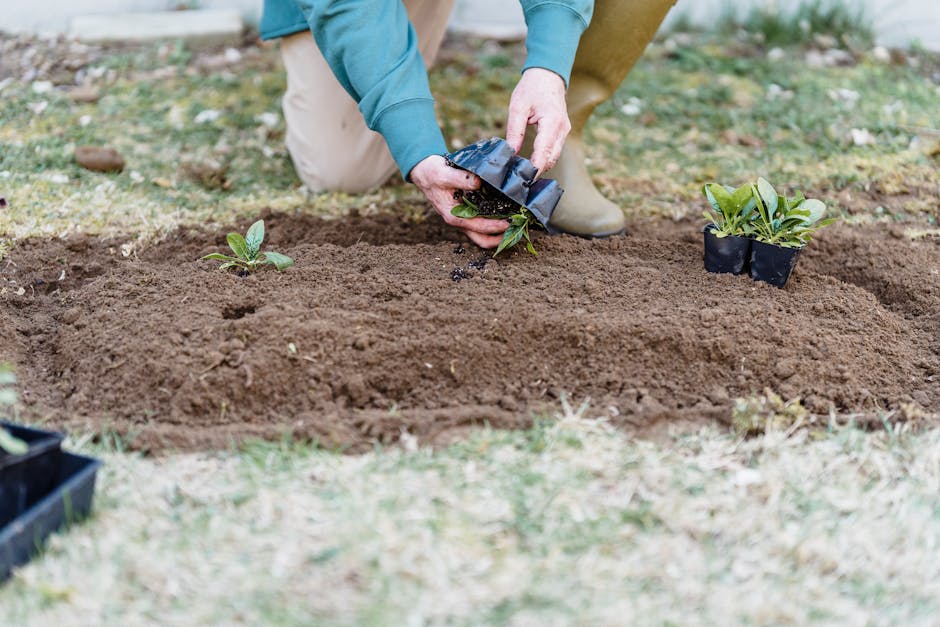
5. Plant with room to grow
Overcrowding is a classic mistake. Everything looks sparse for about ten minutes, then three months later the border feels jammed. Leave space for the mature size, not the size on the label. This is one of those habits that saves you from future pruning headaches.
6. Water properly after planting
New plants need deep, steady watering to encourage roots downward. Small daily splashes usually don't help much. Water less often, but more thoroughly. Then mulch the soil to slow evaporation and keep the root zone more even.
7. Give the garden a settling period
Do not rush to reshape or overfeed everything. Watch what happens. A plant that looks a bit sulky on day one may settle fine by week three. Another one may need support, re-staking, or moving. Gardening has a way of teaching patience, whether you asked for it or not.
Expert Tips for Better Results
Here's where the small details make a real difference.
- Use structural plants at the backbone of the design. Evergreen shrubs, compact hedging, and long-lived perennials keep the garden from looking bare in winter.
- Mix texture, not just flower colour. Soft foliage beside upright stems, glossy leaves beside fine grasses - that contrast gives a border more depth.
- Think in seasonal shifts. A garden should have something going on in spring, summer, autumn, and winter. Even if that something is only shape and foliage.
- Use ground covers where maintenance is awkward. Slopes, awkward corners, and the base of shrubs can all benefit from low-growing plants. The right ground cover reduces weeds and keeps the soil cooler. There's a good reference point in this guide to ground covers.
- Plan privacy with restraint. A hedge or climber should frame the space, not swallow it. For screening ideas, privacy hedge ideas can be surprisingly useful.
- Match climbers to the support. Trellises, wires, fences, and arches all need slightly different plant habits. A climber that behaves beautifully on one support can be a nuisance on another.
If your garden has a lot of wind exposure, use planting to soften the problem rather than pretending it doesn't exist. A layered structure of shrubs, hedges, and sheltered pockets tends to work better than a single exposed barrier. For more on that, the article on creating a wind-protected garden is worth a look.
A quick human note here: I've seen many gardens improve simply because someone stopped buying "pretty" plants and started buying the right plants. Not as exciting in the trolley, perhaps. Much better in the border, though.
Common Mistakes to Avoid
Most planting problems are predictable. That is annoying, but also helpful, because predictable mistakes are fixable.
- Planting too deeply. This can stress roots and trap moisture around the stem base. The crown should usually sit at the right level for the plant, not buried.
- Ignoring drainage. A wet winter can expose poor drainage very quickly. If a spot stays waterlogged, choose plants that can cope or improve the ground first.
- Buying for the moment only. A plant that looks brilliant today may be too big, too wide, or too thirsty for the spot long term.
- Forgetting maintenance access. You still need room to mow, trim, water, and inspect the area. This matters more around lawns, paths, and boundaries.
- Not controlling weeds before planting. Once weeds establish around new plants, the first growing season becomes unnecessarily hard. A few careful weed-control habits go a long way.
- Mixing incompatible plants. Shade lovers and sun lovers should not be forced into the same conditions and expected to "adapt". They rarely do.
Another common issue is placing plants too close to structures that need regular attention. If a hedge will grow next to a fence, the spacing should allow for pruning and access. If you are refreshing boundaries as part of the project, fencing support can be relevant before planting begins. Likewise, if mature trees are affecting light, root space, or safety, a careful look at tree surgery options may be the responsible first step.
Tools, Resources and Recommendations
You do not need a shed full of specialist gear, honestly. But a few solid tools make planting neater, quicker, and less frustrating.
- Spade and border fork for loosening and shaping soil
- Hand trowel for precise planting and smaller containers
- Rake for levelling and clearing debris
- Watering can or hose with gentle flow for new plant establishment
- Mulch to protect roots and reduce moisture loss
- Gloves and secateurs for cleanup, deadheading, and light pruning
If you're not sure where to begin with kit, the guide to must-have tools for outdoor gardeners is a sensible starting point. It helps narrow down what you actually need versus what just looks nice on a shelf.
For soil improvement and long-term garden health, organic matter is often the best practical upgrade. Compost, well-rotted organic material, and thoughtful feeding can gradually turn tired ground into something far more workable. The article on organic waste and lush land fits that thinking well, as does soil and sustainability in gardens.
Law, Compliance, Standards, or Best Practice
For most home planting projects, the main concerns are not formal regulations but sensible best practice. Still, there are a few things worth keeping in mind in the UK context.
First, avoid planting anything that creates a nuisance for neighbours, such as overly invasive roots, unmanaged climbers crossing boundaries, or hedges that are left to obstruct access. Boundary planting should be planned with ordinary courtesy and long-term maintenance in mind. If a hedge or climber is likely to need regular height or shape control, build that into the plan from day one. A tidy garden is usually a better neighbour than a fast-growing one.
Second, if you are altering trees, branches, or established hedging near shared boundaries, caution is sensible. Mature trees can affect light, drainage, and root competition, and they may need professional assessment if there is any safety concern. Best practice here means not guessing. If you suspect structural issues or heavy pruning needs, use a qualified approach rather than a quick hack with the wrong tool.
Third, safety matters. Keep paths clear while planting, avoid leaving tools where children or pets can trip over them, and be mindful of slippery soil after rain. If the garden is used by children or dogs, practical layout decisions become part of the job, not an afterthought. There's a useful reminder in the articles on creating safe spaces for little explorers and garden ideas for dogs.
Finally, if you are choosing between doing it yourself and bringing in help, be honest about your time, confidence, and the condition of the site. A lot of gardening work is straightforward, but some jobs become expensive only because they were left too long. That's the quiet truth of it.
Options, Methods, or Comparison Table
Different planting approaches suit different gardens. Here's a simple comparison that may help you decide what fits your space.
| Method | Best for | Pros | Watch-outs |
|---|---|---|---|
| Container planting | Small patios, rented homes, flexible layouts | Easy to reposition, good for poor soil, neat appearance | Needs regular watering and feeding |
| Border planting | Most family gardens and front plots | More natural look, stronger root run, room for structure | Requires proper soil prep and spacing |
| Climbing planting | Privacy, vertical interest, awkward boundaries | Uses vertical space efficiently, softens fences and walls | Needs support and regular guidance |
| Ground-cover planting | Shady spots, slopes, low-maintenance areas | Suppresses weeds, reduces bare soil, fills gaps nicely | Can spread fast if you choose aggressively |
| Mixed ornamental beds | Feature areas where looks matter most | Strong visual impact and seasonal variation | Planning takes longer; maintenance can be more involved |
If the garden needs a broader refresh rather than just planting, combining beds with structural changes can help. That may mean new edging, seating areas, or better movement through the space. In those cases, landscaping support in Yiewsley often makes the planting easier to design properly.
Case Study or Real-World Example
Here's a typical local scenario. A narrow rear garden in Yiewsley has a sunny border on one side, a slightly shaded corner near the fence, and a small patio used for sitting out in the evening. The owner wants more privacy, more colour, and less bare soil, but doesn't want something high-maintenance.
The sensible approach is not to fill the whole space with random favourites. Instead, you start by separating the garden into jobs:
- the sunny section gets drought-tolerant, long-flowering plants
- the shaded corner gets softer foliage and shade-tolerant structure
- the fence line gets a climber or slim hedge for screening
- the base of the border gets ground cover to reduce weeds
At the same time, the patio edge is cleaned up so the whole scheme looks intentional. The owner notices that once the hard surfaces are tidied and the planting is grouped properly, the space feels larger. Not bigger. Just better organised. Which, in a small garden, can be almost the same thing.
In a situation like this, seasonal maintenance matters too. If the lawn borders are messy, the whole effect can feel unfinished. That's where regular lawn mowing and sensible upkeep around the edges help the planting hold its shape.
Practical Checklist
Use this before you plant, or before you rework an existing border.
- Have I checked sun, shade, wind, and drainage in the spot?
- Do I know what the soil feels like after rain?
- Have I chosen plants for the conditions, not just the colour?
- Will the plants still fit properly in two or three years?
- Have I allowed room for maintenance access?
- Is the area clear of weeds and debris?
- Do I need compost or other organic matter before planting?
- Have I planned watering for the first few weeks after planting?
- Do I need to tidy fences, paths, or hard surfaces first?
- Have I thought about privacy, shelter, and seasonal structure?
If you can answer yes to most of those, you are in good shape. If not, no drama. It just means the plan needs another pass, which is often where the best results begin anyway.
Get a free quote today and see how much you can save.
Conclusion
The best planting in Yiewsley is rarely the fanciest. It is the planting that understands the garden, respects the conditions, and settles in with the least fuss. That's what these Lake Farm gardeners insider planting tips for Yiewsley are really for: helping you create a space that feels alive, balanced, and manageable through the seasons.
Start with the site. Improve the soil. Choose for function first. Leave room for growth. Then keep an eye on the little things - water, mulch, spacing, and seasonal maintenance. It's not glamorous, but it works. And once a garden starts working with you instead of against you, the whole place feels lighter somehow.
If you take one thing from this guide, let it be this: small, thoughtful planting choices add up. They really do. And the results are often more rewarding than the quick fix ever was.
Frequently Asked Questions
What does Lake Farm gardeners insider planting tips for Yiewsley actually mean?
It refers to practical, locally informed planting advice for gardens in Yiewsley, especially around how to choose plants, prepare soil, and time planting for the conditions you actually have.
What is the best time of year to plant in Yiewsley?
Many plants establish well in spring or autumn because the temperatures are milder and moisture levels are often more forgiving. That said, the right time depends on the plant type and the condition of the soil.
Should I improve the soil before planting?
Yes, whenever you can. Good soil preparation usually makes planting easier, helps roots settle faster, and reduces the risk of losses later on. Even modest improvements can make a noticeable difference.
Which plants are easiest for beginner gardeners in Yiewsley?
Beginner-friendly choices are usually plants that suit the local light and soil without needing constant correction. Shrubs, hardy perennials, and some ground covers are often a safer starting point than fussy ornamentals.
How do I choose plants for a shady garden?
Look for shade-tolerant species with foliage that still looks good without strong sunlight. Shade gardens often work best when you focus on texture, leaf shape, and layered structure rather than flowers alone.
What should I do if my garden is very windy?
Use sheltered planting, staggered layers, and more robust plants rather than delicate ones in exposed spots. Wind protection is often about structure as much as it is about plant choice.
Can planting help with privacy in a small garden?
Yes. Compact hedges, climbers, and carefully placed shrubs can provide screening without making a small garden feel boxed in. The trick is choosing the right height and density.
How far apart should I space new plants?
Spacing depends on the mature size of each plant, not its current nursery pot size. Overcrowding causes future pruning problems and can create poor airflow, which is never ideal.
Do I need professional help for planting in Yiewsley?
Not always. But if the soil is poor, the site is awkward, or you want a planting plan that ties into fencing, patios, lawns, or wider landscaping, professional help can save time and rework.
How often should I water new plants?
New plants usually need regular, deep watering during establishment, especially in dry spells. The exact frequency depends on weather, soil type, and the plant itself, so keep an eye on the ground rather than using a rigid rule.
What are the most common planting mistakes homeowners make?
The big ones are poor soil prep, wrong plant choice, overcrowding, and weak aftercare. People also forget how much the surrounding garden matters, including lawns, borders, paths, and boundary treatment.
Where should I start if my whole garden needs work, not just planting?
Start by clearing the site, sorting the worst weeds, and deciding what needs to stay. Then look at structure, access, and maintenance. From there, planting becomes much easier to plan well.
How can I keep a new border looking tidy after planting?
Mulch the soil, keep weeds down, water properly, and trim or deadhead where needed. Regular upkeep matters more than perfection. A border that is lightly but consistently maintained usually looks better than one that gets occasional big rescues.