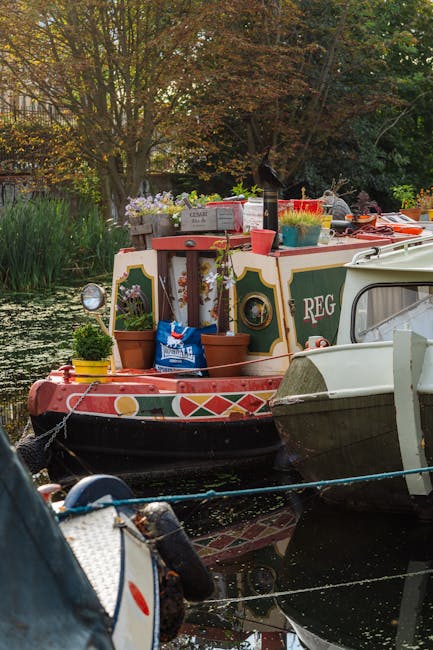
Grand Union Canal gardeners advice for canal side gardens
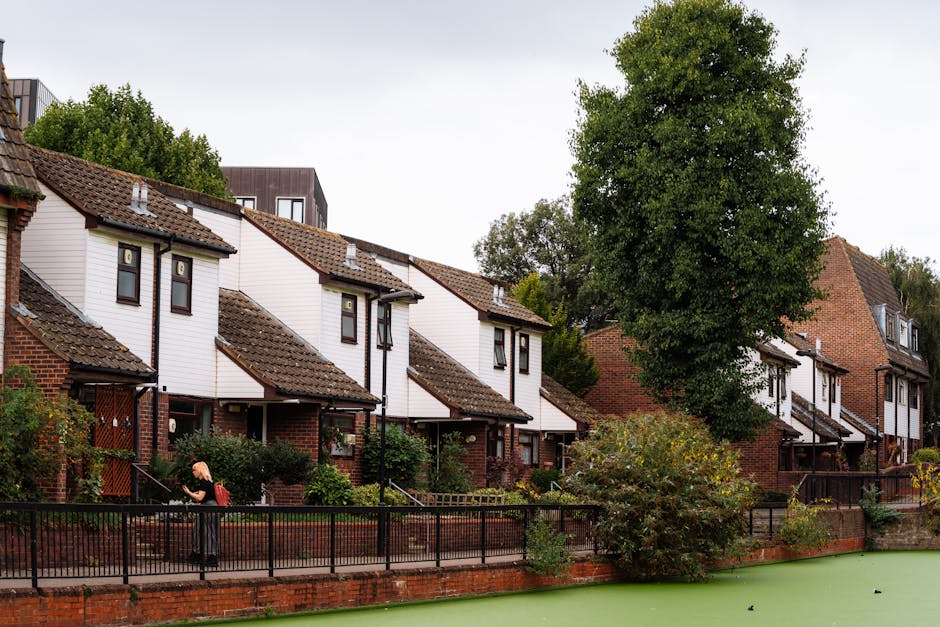
If you garden beside the Grand Union Canal, you already know it is a lovely setting and a slightly demanding one. The water brings light, movement and a real sense of space, but it also changes the rules. Winds can cut across the towpath, soil can dry out faster than you expect, and exposed planting may struggle if it is chosen or placed badly. This guide brings together practical Grand Union Canal gardeners advice for canal side gardens so you can build a plot that feels calm, resilient and genuinely manageable through the seasons.
Whether you are working with a narrow back garden, a waterside terrace, a shared frontage or a larger landscaped strip, the aim is the same: create planting and structures that can cope with the conditions without losing charm. We will look at the real-world pressures, the best methods, the common mistakes, and the sort of maintenance rhythm that keeps a canal-side garden looking neat rather than tired by midsummer. Nothing fancy for the sake of it. Just solid advice that works.
Why Grand Union Canal gardeners advice for canal side gardens Matters
Canal-side gardens are not just ordinary gardens with a nicer view. They sit in a microclimate that can be surprisingly different from nearby streets. Water reflects sunlight, which can boost light levels in some spots, but open towpaths also funnel wind. In winter, cold air can settle along the canal edge; in summer, exposed beds may dry out quickly. That mix is exactly why general gardening advice sometimes falls short.
There is also the matter of neighbours, walkers, pets and the narrowness of many waterside plots. A garden that spills too far onto a boundary, self-seeds aggressively, or drops messy debris can become a nuisance very quickly. To be fair, canal gardens are one of those places where beauty and discipline need to shake hands. If one of them disappears, the whole place starts to feel untidy.
Good advice matters because it helps you design for the site you have, not the site you wish you had. That means choosing plants that tolerate movement and exposure, managing moisture with more care than usual, and shaping the space so it feels open without becoming cluttered. If you are also improving hard landscaping, it can help to think alongside broader works such as waterside landscaping support and planned garden maintenance rather than treating the garden as a one-off tidy-up.
How Grand Union Canal gardeners advice for canal side gardens Works
The basic idea is simple: start with the site conditions, then choose plants, materials and routines that fit them. That sounds obvious, but lots of garden problems happen because the order is reversed. People pick what they like visually first, then try to make it survive where it is. On a canal edge, that approach often leads to constant replacements, uneven growth and extra work.
In practice, canal-side gardening works through four linked decisions. First, you assess exposure: wind, light, shade, drainage and access. Second, you decide how much structure the garden needs, from edging and screens to seating and paths. Third, you choose planting with sensible root behaviour, seasonal interest and resilience in mind. Fourth, you plan a maintenance rhythm that suits the conditions, because a waterside garden left alone for too long usually shows it fast.
There is another layer too: the view. A canal-side garden is often seen from multiple angles, including from the water and from the towpath. That means back-of-border plants, clipped shapes and boundary treatments matter more than in a hidden suburban plot. If you need sharper outlines, regular hedge trimming can keep the structure clean without closing off the light. And if trees are part of the setting, careful tree surgery may be the difference between a balanced riverside feel and a crowded, shading mess.
Key Benefits and Practical Advantages
When a canal-side garden is planned well, the benefits are more than cosmetic. Yes, it looks calmer and more polished, but the practical gains are what keep it working long term.
- Better resilience in exposed conditions - plants are less likely to topple, scorch or dry out when chosen for the site.
- Cleaner boundaries - the garden feels intentional rather than overgrown onto the towpath edge.
- Lower maintenance stress - fewer losses mean less replanting and less patching up.
- Improved privacy without heaviness - screening can be layered without blocking the open waterside feel.
- Safer movement through the space - paths, deck edges and seating areas can be laid out with access in mind.
- Longer seasonal interest - a sensible mix of structure, evergreen form and soft planting keeps the garden attractive through winter.
One of the quieter benefits is how much easier it becomes to enjoy the garden. You are not constantly noticing dead patches, wind-bent stems or soggy areas that never quite recover. The place settles. It begins to feel lived in, not fought over. That is the sweet spot.
For smaller canal-side spaces, container planting can be a real advantage, and a lot of the logic behind container gardening applies beautifully here. You can move pots to chase the best light, protect more delicate plants, and refresh the look without digging up the whole border.
Who This Is For and When It Makes Sense
This advice is useful for homeowners, landlords, property managers, first-time gardeners and anyone looking after a garden that sits near the Grand Union Canal or a similar waterside setting. It is especially helpful if you have one or more of the following:
- a narrow garden with strong wind exposure
- patchy soil or heavy clay that behaves differently across the plot
- existing hedges, trees or climbers that have outgrown the space
- a garden visible from public footpaths or shared access routes
- children or dogs using the space regularly
- an older layout that feels cluttered, uneven or difficult to maintain
It also makes sense if you are thinking about a modest upgrade rather than a full redesign. Sometimes the smartest move is not a dramatic makeover. Sometimes it is a better boundary, a healthier lawn, a few robust shrubs and a clearer maintenance plan. Honestly, that approach often gives the best return.
If the garden is already showing wear, a combination of lawn care, targeted lawn mowing and broader gardening services can help bring the space back under control before you change the design.
Step-by-Step Guidance
- Study the site at different times of day. Notice where the wind hits hardest, where water lingers after rain, and which corners get the most reflected light. A space can feel warm at noon and surprisingly cold by dusk.
- Map the functional zones. Decide where you want seating, planting, storage, screening and access. A canal-side garden works best when every square metre has a job, even if that job is simply to soften a boundary.
- Improve the soil before planting. Add organic matter where the soil is poor, but do not overdo it in heavy areas. Better soil structure helps roots cope with fluctuating moisture and exposure. The article on organic waste and healthy soil is a useful companion thought here.
- Choose the right plant mix. Use a backbone of tough shrubs, a layer of perennials, and some seasonal colour. On a canal edge, plants that flop easily will test your patience. And patience, let's face it, is not always the first thing we have on a windy Saturday.
- Create wind protection without building a wall. Use staggered planting, trellis, or softly clipped hedging rather than a solid, blinding barrier. If you need ideas, the advice in creating a wind-protected garden translates well to waterside plots.
- Shape the boundaries. Clean edges make a canal garden feel cared for. If the boundary is visible from the towpath, simple lines usually look better than heavy ornament.
- Set a maintenance rhythm. Build in regular deadheading, light pruning, weed control and watering checks. A little often works better than a frantic catch-up later.
- Review after one season. See what thrived, what sulked and what became too much trouble. Then adjust. That final step matters more than people think.
If you are adding hard surfaces, a neat deck or patio can be a very good fit for waterside entertaining, provided it is kept safe and uncluttered. Services like decking installation and patio cleaning can support the look and the practical upkeep of the space.
Expert Tips for Better Results
1. Prioritise structure first. In exposed settings, strong shapes matter more than delicate detail. Think evergreen mounds, clipped hedges, upright grasses and well-spaced shrubs. Then add softer planting around them.
2. Use repetition. Repeating a few plants or materials gives calm to a space that already has a lot going on visually. A canal can be busy enough. The garden does not need to compete with it.
3. Avoid thirsty drama queens. Some plants look wonderful in the nursery and then collapse into a sulk once the wind starts. In our experience, reliability beats novelty in most canal-side beds.
4. Think in layers. Low ground cover, mid-height perennials and taller shrubs create shelter and visual depth. The right ground cover also helps with weed suppression and moisture retention. A useful companion read is ground covers for UK gardens.
5. Keep self-seeders under control. Waterside plots often benefit from pollinator-friendly planting, but unchecked self-seeders can spread into cracks, paths and neighbouring beds very quickly. Lovely in May, annoying by July. You know the drill.
6. Match maintenance to visibility. If the garden faces the towpath, crisp edges and tidy heights matter more. If it is more private, you can let planting breathe a little more. That tiny distinction changes the whole feel.
7. Protect young plants early. Support stakes, low mesh protection or temporary shelter can save the first season. Waiting until a plant has suffered usually means catching up, not preventing damage. For colder months, the reminders in winter plant care are worth keeping in mind.
Common Mistakes to Avoid
- Using plants that are too soft for the site. Big leaves and flimsy stems often struggle in exposed towpath winds.
- Overcrowding the borders. It may look full on day one, but congestion soon creates disease, weak growth and a fiddly maintenance job.
- Ignoring drainage. Water can collect in pockets near hard edges or compacted sections. If roots sit wet for too long, they complain. Plants are not subtle about that.
- Planting too close to access routes. This is a common issue in canal-side settings where paths feel narrow already.
- Choosing an all-evergreen design without seasonal contrast. Evergreen structure is useful, but without variation the garden can feel flat. A better mix is usually more satisfying.
- Skipping maintenance until the garden looks tired. A tidy trim is easier than a full rescue job.
- Forgetting the view from outside the garden. The space needs to look good from the house, the towpath and at close range.
One more thing: do not assume more water nearby means less watering. Oddly enough, canal-side gardens can dry out faster in the topsoil because wind pulls moisture away, especially in summer. That catches people out every year.
Tools, Resources and Recommendations
You do not need a van full of specialist kit, but a canal-side gardener does benefit from a few reliable tools. The basics make more difference than fancy extras.
- sharp secateurs and loppers for regular trimming
- a sturdy hand fork for compacted soil and border work
- mulching materials to help retain moisture
- supports and ties for taller perennials, climbers and shrubs
- a hose or watering can arrangement that reaches exposed beds efficiently
- gloves that actually fit, which sounds trivial until you spend an hour fighting brambles
For practical kit ideas, the article on must-have tools for outdoor gardeners is a helpful match. If your garden includes climbers for screening or softer vertical interest, you may also find vertical gardening ideas useful, especially where ground space is tight.
For design inspiration, soft screening is often better than hard blocking, and climbers can be brilliant when placed carefully. The guide on evergreen climbers for shade offers a few smart plant choices for tricky light conditions.
Law, Compliance, Standards, or Best Practice
Canal-side gardens may involve shared boundaries, public visibility, access considerations and, in some cases, trees or structures close to routes used by others. That means a cautious, neighbour-aware approach is sensible. If you are uncertain about boundary ownership, access rights, overhanging growth or anything that might affect shared space, it is wise to confirm the facts before making big changes.
Best practice is usually straightforward:
- keep planting and hard landscaping within your own boundary unless you have clear permission otherwise
- avoid obstructing access routes or sightlines
- trim hedges and trees so they do not create hazards or nuisance
- manage waste responsibly rather than leaving it near the canal edge
- use safe working methods near water, especially with ladders, tools and slippery ground
If a tree is large, leaning, diseased or close to structures, get proper assessment rather than trying to sort it with guesswork. A safe, well-planned approach to tree surgery is often a better long-term choice than repeated minor cuts. And if your hedges need disciplined shaping to stay within bounds, regular hedge trimming can keep everything neat and avoid disputes later on.
For ongoing garden care, a measured maintenance plan usually works better than reactive repairs. That is where scheduled maintenance support can be genuinely helpful, especially if the property is lived in part-time or managed from a distance.
Options, Methods, or Comparison Table
Below is a simple comparison of common canal-side approaches. None is universally right; the best choice depends on the space, the budget and how much time you want to spend maintaining it.
| Method | Best for | Strengths | Trade-offs |
|---|---|---|---|
| Soft planting with shrubs and perennials | Natural-looking gardens with moderate upkeep | Flexible, wildlife-friendly, visually gentle | Needs seasonal editing to stay tidy |
| Clipped hedging and structural borders | Frontages, visible towpath edges, formal layouts | Clean lines, privacy, strong visual order | Requires regular trimming |
| Container-led planting | Tiny gardens, courtyards, rental spaces | Moveable, easy to refresh, good for control | Needs regular watering and feeding |
| Mixed hard landscaping and planting | Spaces used for entertaining or frequent access | Very practical, durable, easy to zone | Can feel hard if softened poorly |
In many canal-side gardens, the best result is a blend. A bit of structure, a bit of softness, and no section left to fend for itself. That balance is what makes the garden feel like a place you want to be in, not just look at.
Case Study or Real-World Example
Imagine a narrow waterside garden with a small patio nearest the house, a mid-border that gets battered by the wind, and a back boundary visible from the towpath. The original layout is patchy: a tired lawn, one overgrown shrub, a few pots that dry out fast, and a fence that feels too bare in winter.
The practical fix is not a dramatic overhaul. First, the lawn is reduced or simplified, because narrow, exposed turf can become frustrating to maintain. A better ground layer is introduced with low, spreading planting and mulched sections. Then a clipped hedge or slender screen is added for structure, while a few taller shrubs create movement without becoming a wall. The patio is cleaned, edged and made into a clearer sitting area, and the space between is planted in layers so it looks fuller all year.
That kind of garden usually responds well to a combination of regular mowing where turf remains, targeted patio cleaning, and broader landscaping work to sharpen the layout. The change is not just visual. The owner spends less time firefighting and more time actually sitting out with a mug of tea when the weather behaves itself for five minutes.
That is the real win, to be fair.
Practical Checklist
- Check wind exposure at different times of day
- Identify wet spots, dry spots and compacted patches
- Decide where you need screening, seating and access
- Choose robust plants that suit open waterside conditions
- Use repeated planting to create calm and rhythm
- Keep hedges, shrubs and trees within a manageable shape
- Support young plants before they are battered by wind
- Mulch borders to help retain moisture and reduce weeds
- Review the garden after one season and make adjustments
- Stay aware of boundaries, access and safe working near water
Checklist done. Simple, but useful.
Get a free quote today and see how much you can save.
Conclusion
A good canal-side garden is rarely the result of one grand gesture. It is usually the outcome of a few sensible decisions made in the right order: understand the exposure, pick the right plants, keep the structure neat and maintain the space steadily rather than occasionally and desperately. Once those pieces are in place, the garden stops feeling like a compromise and starts feeling like a feature.
If you are working beside the Grand Union Canal, the best Grand Union Canal gardeners advice for canal side gardens is not complicated, but it does ask for judgement. Choose resilience over fuss, clarity over clutter, and maintenance over rescue work. Do that, and the garden can become one of the most satisfying parts of the property. And on a still evening, with the water moving softly beside you, that matters more than it sounds.
One good garden has a way of making the whole place breathe easier.
Frequently Asked Questions
What makes canal-side gardens different from normal gardens?
They usually face more wind, faster drying, stronger reflected light in some spots and more visibility from outside the property. That changes what plants and layouts will work well.
Which plants usually cope best near the Grand Union Canal?
Robust shrubs, tough perennials, reliable evergreen structure plants and sturdy ground covers tend to do best. The exact choice depends on light, soil and how exposed the plot is.
Do canal-side gardens need more watering?
Often, yes, especially in dry or windy weather. Even though water is nearby, the topsoil can dry out quickly, so checking moisture regularly is a good habit.
Is a hedge a good idea for privacy beside a canal?
Yes, provided it is kept within a manageable height and does not block light or create a heavy wall effect. Regular trimming keeps hedges useful rather than overpowering.
How can I make a narrow waterside garden feel bigger?
Use clear lines, repeated planting, lighter colours, slim seating and layered boundaries rather than bulky features. A tidy layout usually feels bigger than a crowded one.
Should I use decking, paving or planting as the main surface?
That depends on how you use the garden. Decking or paving suits seating and access, while planting softens the space and improves the view. Many good gardens use both.
How often should I maintain a canal-side garden?
Light maintenance every couple of weeks in the growing season is usually better than leaving everything until it gets out of hand. A quick, regular rhythm works best.
What are the most common mistakes in waterside gardens?
Overcrowding, using weak plants, ignoring drainage, failing to maintain edges and forgetting how exposed the site really is. Those issues build up fast.
Can I grow climbers successfully near the canal?
Yes, and climbers can be excellent for screening or vertical interest. Choose varieties suited to your light level and provide proper support from the start.
Do I need professional help for a canal-side garden?
Not always, but it is sensible if the garden needs structural work, tree care, hedge shaping, lawn recovery or a full redesign. A professional eye can save a lot of trial and error.
How do I keep the garden safe near water?
Keep paths clear, surfaces non-slippery, tools stored properly and access routes unobstructed. If you have children or pets, think carefully about edges, screening and supervision.
What should I do first if my canal-side garden looks tired?
Start with a clear-up, assess the soil and boundaries, and decide whether the biggest issue is planting, structure or maintenance. Often, a focused tidy and a few smart changes make a huge difference.