020 3744 3778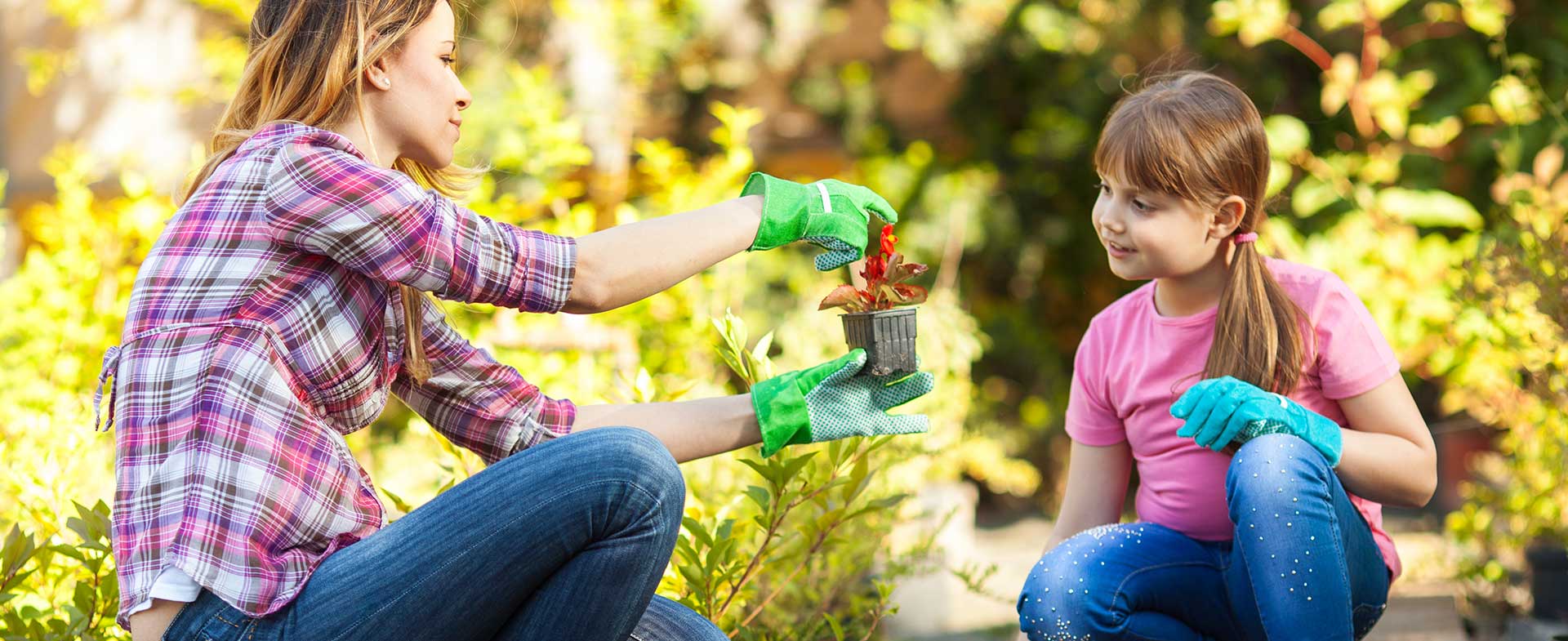
Creating Safe Spaces in Gardens for Little Explorers
Posted on 19/09/2025
Creating Safe Spaces in Gardens for Little Explorers: A Complete Guide
Gardens offer endless opportunities for learning, play, and discovery, especially for young children. When designed thoughtfully, outdoor spaces can become magical environments--havens where your little explorers can grow physically, mentally, and emotionally. Creating safe spaces in gardens for little explorers is not just about preventing accidents; it's about fostering curiosity, engagement, and well-being. In this comprehensive guide, we'll explore effective strategies to make your garden a secure, enchanting place where children can truly thrive.

Why Safe Outdoor Spaces Matter for Children
- Development and Growth: Outdoor play supports motor skills, strength, and coordination.
- Imagination: Natural settings spark role-playing and creativity, fueling cognitive growth.
- Social Skills: Garden games teach sharing, cooperation, and negotiation.
- Mental Well-being: Nature reduces stress and anxiety, cultivating calmness and focus.
- Respect for Nature: Early exposure fosters a lifelong appreciation of the environment.
Above all, these benefits are maximized when children can explore freely in a safe and welcoming garden. The challenge? Striking the ideal balance between safety and stimulation. Let's delve into the essentials of designing your back garden or community green space to be both secure and exciting for little ones.
Key Principles When Designing Safe Garden Play Areas
- Supervision: While gardens can enable independent play, visibility is important. Design zones so you can easily glance in on your child from windows, decks, or patios.
- Boundaries and Fencing: Sturdy, child-safe fences prevent little explorers from wandering off. Gates with childproof mechanisms add an extra level of security.
- Surface Safety: Softer ground materials like grass, bark chips, or safety mats cushion falls. Avoid hard paving in active zones.
- Age-Appropriate Features: Tailor climbing frames, paths, and equipment to your child's age and confidence.
- Selecting Safe Plants: Learn which plants might be hazardous (thorny, toxic, or allergenic species) and opt for gentle, non-toxic, sensory varieties instead.
Each of these elements contributes to garden safety for children, creating a supportive environment where they can move, imagine, and discover with confidence.
Essential Components for Safe Child-Friendly Gardens
Fencing and Secure Boundaries
Garden boundaries do not need to be visually obtrusive, but they must be reliable. Consider these tips:
- Install fences at least 120 cm (4 feet) high.
- Ensure gates are self-closing and latched above child height.
- Avoid gaps where a small child or pet could squeeze through.
- Add hedges or trellises for a natural look that doubles as a clear boundary.
Safe Surfaces for Play
Children inevitably trip and tumble. So, the ground they play on matters:
- Choose grass, rubber mulch, play bark, or sand under swing sets and climbing frames.
- Minimize use of stone, concrete, or gravel in active play areas--the risk of scrapes and bumps is higher.
- Artificial grass can be a practical low-maintenance option.
Safe Water Features
While water features are enchanting and educational, they do pose risks. Here's how to keep them safe:
- Avoid deep ponds or open water in gardens for toddlers and preschoolers.
- For mini wildlife ponds, use mesh covers or raised designs well above children's reach.
- Consider trickling fountains or self-contained bubbling water tables with automatic shut-offs.
- Always supervise closely when water is present.
Selecting Safe, Non-Toxic Plants
Many common garden plants are toxic if ingested or cause skin reactions. When creating a safe garden for young children:
- Avoid foxglove, nightshade, yew, laburnum, lily of the valley, and other known toxic species.
- Choose herbs (mint, chamomile, parsley), sunflowers, nasturtiums, and strawberries for safe sensory appeal.
- For tactile play, plant lamb's ear, soft grasses, and fragrant lavender.
- Mulch with child-safe, pesticide-free materials.
Weather-Protection and Shade
Sun protection is vital to long outdoor sessions for kids. Incorporate:
- Trees with broad canopies or establish living willow domes.
- Install quick-erect fabric shades, sails, or pergolas.
- Create covered areas for all-day weather protection.
Child-Friendly Garden Structures and Zones
Designate distinct play zones that allow free movement and imagination while minimizing hazards. Good ideas include:
- Mud kitchens away from pathways
- Mini sandpits or gravel pits located within easy view
- Tepee tents or playhouses with soft flooring
- Balancing logs or stepping stones on cushioned ground
- Hiding places using large shrubs or bamboo screens
The Importance of Supervision and Engagement
While garden safety features are invaluable, adult involvement remains a cornerstone of safe, stimulating play. Here are some practical tips:
- Set up activity areas where you can supervise comfortably, perhaps from a nearby bench or through kitchen windows.
- Engage with your child through gardening, bug hunts, or storytelling under a tree canopy.
- Set clear rules about off-limit areas--compost bins, tool sheds, and driveways should be secured or locked.
Tips for Garden Tool and Chemical Safety
Household and gardening chemicals, even organic ones, can be hazardous for children. Safe storage is key:
- Store all fertilizers, weed-killers, and tools in locked sheds or high cabinets.
- Never leave gardening shears, forks, or hosepipes lying around after use.
- Opt for child-sized gardening tools with blunt edges, designed for safety and participation.
- Compost bins and greenhouses should be off-limits to unsupervised children.
Don't Overlook Accessibility: Designing for All Little Explorers
An inclusive garden considers every child's needs, abilities, and preferences. For children with disabilities or mobility challenges:
- Lay smooth, wide pathways free from trip hazards to facilitate wheelchair access.
- Include raised beds at accessible heights for sensory planting and participation.
- Add textured paving for tactile cues and navigation.
- Integrate audible water features or aromatic planting for children with visual impairments.
Encouraging Adventure While Maintaining Safety
Adventure and risk play a critical role in child development. Outdoor spaces should stimulate children to climb, balance, dig, and explore. Here's how to create a safe-yet-stimulating garden for little explorers:
- Use graduated play elements--logs to walk on, climbing walls at different heights, or stepping stones in order of size.
- Offer natural materials like stones, sticks, and leaves for creative building and imaginative play.
- Cushion riskier play zones with extra-soft surfacing or establish clear boundaries for challenging tasks.
- Let children "help" with safe gardening jobs to foster responsibility and awareness.
Safe Play Equipment: What to Look For
- Check for rounded corners, smooth surfaces, and nonslip platforms on all play equipment.
- Ensure swing sets and slides are anchored securely and have sufficient impact-absorbing area below.
- Regularly inspect for rust, splinters, or loose bolts.
Planning Seasonal Activities for Little Explorers
To keep your child-friendly garden exciting year-round, build in seasonal opportunities for exploration:
- Spring: Plant child-friendly seeds, start a worm farm, hunt for early bugs.
- Summer: Install water tables, create shady reading nooks, arrange nature scavenger hunts.
- Autumn: Rake leaves for jumping piles, gather conkers and acorns, tell sensory stories around a safe, enclosed fire pit.
- Winter: Build wildlife tracks in the snow, put up bird feeders, or construct simple shelters for local animals.
*Each season brings its own learning experiences and new ways to enjoy the garden safely!*
Engage the Senses: Sensory Gardens for Little Explorers
Designing a sensory garden stimulates sight, touch, sound, smell, and sometimes even taste! For child safety and enrichment:
- Plant patches of scented herbs, soft moss, or brightly colored flowers.
- Include wind chimes, musical stones, or rustling grasses for auditory interest.
- Feature edible sections (strawberries, cherry tomatoes, sugar snap peas), teaching children where food comes from--always supervise tasting and teach safe plant identification.
- Add chunky stepping stones or tactile pathways in simple patterns.
Maintenance: Keeping Your Safe Garden in Prime Condition
A safe garden is a well-maintained garden. Regular checks and small fixes make a big difference:
- Inspect play equipment and fences for damage or weak spots every month.
- Sweep up fallen fruit or seeds that could become slippery or tempting.
- Weed regularly to remove potential irritants or poisonous seedlings.
- Rake leaves and check paved paths after rain to prevent slips.
- Replace worn surfacing, loose stones, and exposed roots as needed.
Conclusion: Unlocking Lifelong Passion for Nature
Creating safe spaces in gardens for little explorers is one of the greatest gifts you can offer a child. By blending careful planning with imaginative play, you help cultivate adventurous spirits, resilience, and a deep-rooted respect for the natural world.
Whether you're a parent, grandparent, teacher, or community organizer, you can transform outdoor spaces into nurturing realms where children's laughter and curiosity bloom safely. Thoughtful choices--about plants, surfaces, structures, and supervision--enable kids to run, dig, climb, and marvel at nature, all while you're secure in their well-being.
Begin today: walk through your garden with a child's eyes, seek out opportunities for creative, safe exploration, and watch new worlds unfold in the heart of your green spaces. Your safe garden for little explorers is not just a playground, but the start of a lifelong adventure.